★★★★★4.8318 reviews
Checking hours
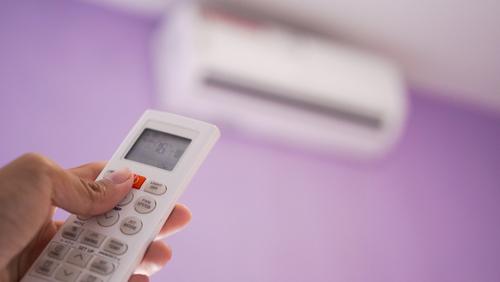
Wondering how long your heat pump should run each day? For South Shore homeowners, knowing what a healthy runtime looks like can save you money and keep your home comfortable all year.
The good news is you have Williams Energy to help. We handle heat pump installation, maintenance, and repairs, and our service plans make the upkeep simple.
Below we walk through what affects heat pump runtime, how to keep yours running efficiently, and where a service plan fits in, so your home stays cozy without breaking the bank.
A heat pump is a versatile HVAC system that both heats and cools your home. Unlike systems that generate heat, a heat pump moves heat from one place to another. In winter it pulls heat from the outside air, even when it is cold out, and brings it indoors. In summer it reverses, removing heat from your home and sending it outside.
It runs on a refrigeration cycle using a compressor, condenser, and evaporator. The compressor circulates refrigerant between the indoor and outdoor units, absorbing heat in one spot and releasing it in another. That steady cycle keeps your home comfortable without burning through energy.
Heat pumps are energy-efficient and environmentally friendly, with comfort you can count on year-round. Compared to older heating and cooling systems, they can cut your energy bills and your carbon footprint, while delivering steadier temperatures and better indoor air quality. That mix makes them a strong fit for homes across the South Shore.
Several things affect how long your heat pump needs to run. You and a neighbor could have similar homes and still see different runtimes. Here is what tends to move the needle.
Temperature outside has the biggest say in daily runtime. In a deep cold snap or a summer heat wave, your heat pump may run longer to hold a comfortable setting indoors. In milder weather, runtime drops.
Good insulation keeps an energy-efficient home comfortable. Well-insulated houses hold heat in winter and stay cooler in summer, which eases the load on your heat pump. A poorly insulated home forces the system to run longer to hit the same temperature, which raises your energy use.
Your thermostat directly shapes runtime. Pushing the setting higher in winter or lower in summer makes the system work longer. A programmable thermostat can smooth this out by adjusting temperatures to your daily schedule.
On average, a heat pump runs in cycles totaling roughly two to three hours across the day. That figure shifts with outdoor temperature, insulation, and thermostat settings, and in extreme weather a heat pump may run almost continuously to keep up.
The goal is the right balance between comfort and efficiency. Run it too hard and your bills climb; run it too little and the house never feels right. Keeping an eye on how the system behaves, and adjusting as needed, helps you land in the sweet spot.
If your heat pump runs nonstop and still cannot reach the temperature you set, it may be overworking. Higher energy bills, uneven heating or cooling, and frequent cycling are common warning signs. Handling those early with a service call can prevent bigger damage and keep the system running well.
A few habits keep your heat pump running smoothly, hold down your energy costs, and reduce wear and tear.
Routine maintenance keeps a heat pump in good shape. An annual inspection with the HVAC technicians at Williams Energy can catch small problems before they turn into big ones. Cleaning or replacing filters, checking refrigerant levels, and inspecting electrical components are all part of it.
Air leaks quietly drag down efficiency. Check windows, doors, and ductwork for gaps or cracks, then seal them with weatherstripping or caulk to ease the load on your heat pump. While you are at it, see whether your insulation is up to par and add more if it falls short.
A programmable thermostat trims runtime by matching temperatures to your schedule. Easing back the setting while you are away or asleep cuts energy use without giving up comfort, and many models add remote control and energy monitoring.
Our heat pump service plans cover maintenance, repairs, and emergency help, so your system runs well all year with less risk of a surprise breakdown. The regular maintenance built into a plan tends to catch issues early, head off costly repairs, and stretch the life of your equipment, and many plans add discounts on parts and labor on top of that.
Plan members also get priority service, which means faster help when you need it, especially during peak season when demand for HVAC service runs high. Routine tune-up or urgent repair, you spend less time waiting and more time comfortable.
Ready to get more out of your heat pump? A Williams Energy service plan keeps it cared for and keeps you comfortable, season after season.
On average, a heat pump runs in cycles that add up to about two to three hours over the course of a day. In very cold or very hot weather it can run much longer, sometimes almost continuously, which is normal when it is working hard to hold your setting.
During extreme cold or heat, near-constant running is expected. It becomes a concern when the system runs nonstop and still cannot reach the temperature you set, or when you notice rising bills, uneven comfort, and frequent cycling. That can point to a unit that is overworked, low on refrigerant, or due for service.
Tighten up insulation and seal air leaks around windows, doors, and ductwork, use a programmable thermostat to match temperatures to your schedule, and keep up with regular maintenance. Together these reduce the workload on the system and help keep energy costs down.