


Written on: November 10, 2025
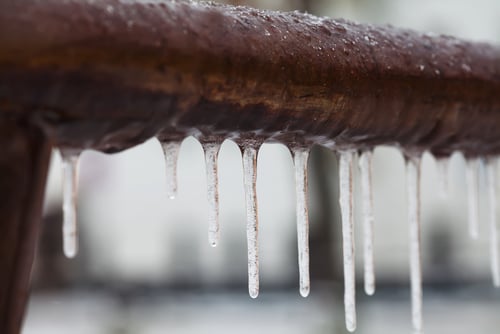 Winter brings cozy evenings by the fireplace and holiday cheer, but it can also bring frozen pipes and costly repairs. If you’ve ever woken up to no water pressure or, worse, a burst pipe flooding your basement, you know how stressful it can be.
Understanding why pipes freeze helps you take steps to protect your home. Let’s break down the science behind frozen pipes and what you can do to keep your plumbing safe this winter.
Pipes freeze when the temperature inside them drops below 32°F. When water freezes, it expands. This creates pressure inside the pipe, which can cause it to crack or burst.
But it’s not just about cold weather. Several factors increase the risk.
Location matters. Pipes in unheated areas—like basements, attics, crawl spaces, and exterior walls—are most vulnerable. If your home has poor insulation in these spots, your pipes are at higher risk.
Cold snaps are dangerous. A sudden drop in temperature catches homeowners off guard. Even if your pipes survived previous winters, a particularly harsh cold snap can cause problems.
Lack of water flow increases risk. Moving water is less likely to freeze. When you’re away on vacation or don’t use certain faucets regularly, stagnant water in the pipes becomes more susceptible to freezing.
If you live in Braintree, MA, or nearby South Shore towns, you know how brutal our winters can be. Protecting your plumbing before the cold sets in can save you thousands in repairs.
Insulate exposed pipes: Wrap foam pipe insulation around any exposed plumbing in unheated areas. It’s inexpensive and easy to install. Focus on basements, crawl spaces, and attics first.
Seal gaps and cracks: Cold air can sneak in through small openings around pipes. Check for drafts near exterior walls, windows, and doors. Seal gaps with caulk or spray foam to keep cold air out.
Let faucets drip: When temperatures plummet, let a small trickle of water run from faucets connected to vulnerable pipes. Moving water is much harder to freeze.
Keep your home warm: Even if you’re away, keep your thermostat set to at least 55°F. This maintains a baseline temperature that helps prevent freezing.
Open cabinet doors: For sinks along exterior walls, open the cabinet doors to allow warm air to circulate around the pipes.
Disconnect outdoor hoses: Before the first freeze, disconnect garden hoses and drain outdoor faucets. Consider installing frost-proof hose bibs for added protection.
At Williams Energy, our licensed and experienced plumbers provide complete plumbing services throughout Braintree and the South Shore. From emergency repairs to preventive maintenance, we’ve got you covered.
Frozen pipes aren’t just an inconvenience—they can lead to expensive water damage and major headaches. Taking a few preventive steps now can save you time, money, and stress later.
If you need help winterizing your plumbing, upgrading fixtures, or handling any plumbing issue, our team at Williams Energy is here to help. We handle everything from installing new water heaters to replacing old piping and connecting appliances like dishwashers and garbage disposals.
Don’t wait until it’s too late. Protect your home before the next cold snap hits. Contact Williams Energy today for expert plumbing services you can trust.